10 Travel Predictions for 2027
Friday, 16 Oct 2026

For travellers, the coming year may be less about checking destinations off a bucket list and more about flexibility, convenience, meaningful experiences and getting the most value from every trip.
At Send My Bag, we're looking ahead at 10 travel predictions that could influence how people explore the world in 2027.
1. The Low-Cost Airline Crunch: Budget Travel Could Get More Expensive
For years, low-cost airlines have made travel more accessible, opening up new destinations and putting pressure on traditional carriers to offer competitive fares. But financial pressures on budget airlines could threaten some of those affordable options.
If another low-cost carrier exits the market or significantly reduces service in 2027, travellers could find themselves with fewer affordable flights, particularly on routes where budget airlines have historically provided much of the competition.
With fewer airlines competing for passengers, fares could rise on affected routes, forcing travellers to rethink how they book and where they fly.
Rather than abandoning trips altogether, travellers may become more willing to drive farther to alternative airports, adjust departure dates or choose destinations with greater airline competition.
For consumers, the cheapest airport may no longer be the closest one, and flexibility could become one of the most valuable tools for keeping travel affordable.
2. The Travel Reroute: Travellers Will Change Destinations Rather Than Cancel Trips
Political and geopolitical uncertainty is becoming an increasingly important consideration when planning international travel. But rather than giving up on vacations when instability arises, travellers may become more comfortable changing their plans.
In 2027, expect to see more travellers embrace the "travel reroute," adjusting destinations, flight paths, airports or even modes of transportation to keep their trips on the calendar.
Someone planning a vacation in a region experiencing unrest may choose a neighbouring country instead. Others may opt for destinations with more reliable flight connections or greater flexibility should travel conditions change.
This shift could also make flexible bookings, refundable accommodations and adaptable itineraries more valuable.
The larger trend is that travellers may become less attached to a specific destination and more committed to the experience of traveling itself. When circumstances change, the vacation doesn't necessarily disappear. It simply takes a different route.

3. The Relocation Vacation: Travellers Will Test-Drive Life Abroad
What if your next vacation wasn't just about visiting somewhere new, but deciding whether you could actually live there?
In 2027, extended travel could increasingly become a way for people to explore potential new homes, particularly as political and economic conditions influence where they want to build their futures.
Remote workers, retirees and people with flexible lifestyles may spend weeks or months living in another country before committing to a permanent move.
Unlike traditional vacations, these "relocation vacations" will focus less on sightseeing and more on experiencing everyday life. Travellers may rent apartments, explore neighbourhoods, visit grocery stores, assess transportation options and get a feel for what it would actually mean to call a destination home.
For some, the experience could lead to a permanent international relocation. For others, it may inspire a lifestyle split between multiple countries.
As extended stays become more appealing, the logistics of moving belongings internationally will also become a bigger consideration. Travellers staying abroad for months at a time may need more than a traditional vacation suitcase, creating greater demand for flexible ways to transport personal belongings.
4. The True Cost of Takeoff: Travellers Will Look Beyond the Ticket Price
The price displayed when booking a flight rarely tells the whole story.
Between baggage fees, seat selection, airport transportation, meals and other add-ons, travelers are increasingly discovering that the advertised airfare is only one part of what a trip will actually cost.
In 2027, continued volatility in airline operating expenses, including jet fuel, could make understanding the total cost of travel even more important.
Rather than automatically choosing the lowest advertised fare, consumers may become more deliberate about comparing the full cost of their options.
A cheaper flight from a distant airport might not be worth the additional transportation and parking expenses. Similarly, a slightly more expensive ticket that includes baggage or offers a more convenient schedule could ultimately provide better value.
Travellers may also rethink how they transport luggage, comparing the cost and convenience of checking bags against alternatives such as shipping belongings directly to their destination.
In 2027, the best travel deal won't necessarily be the cheapest ticket. It will be the option that delivers the greatest overall value.

5. The Skillcation: Travellers Will Want to Bring Home More Than Memories
Forget returning from vacation with just photographs and souvenirs. In 2027, more travellers may want to come home with an entirely new skill.
Enter the "skillcation," a vacation built around learning something new or developing an existing interest.
From cooking classes in Italy and pottery workshops in Portugal to surfing lessons, photography retreats and traditional craft experiences, travellers may increasingly choose destinations based on what they can learn while they're there.
Unlike a typical sightseeing itinerary, these trips offer the opportunity to engage more deeply with local communities, traditions and cultures.
They also provide something that lasts beyond the vacation itself. A traveler who learns to make pasta in Sicily can recreate the experience at home, while someone who discovers a passion for surfing may continue pursuing it long after returning.
For travellers looking to make their vacations more meaningful, the appeal may shift from simply seeing something new to being able to do something new.
6. The End of the Must-See Vacation: Travellers Will Ditch the Social Media Checklist
Social media has transformed how people discover destinations, restaurants and attractions. But after years of viral travel itineraries and endless lists of must-see places, 2027 could bring a backlash against the pressure to experience the same things as everyone else.
Travellers may increasingly reject vacations built around recreating Instagram photos, visiting TikTok-famous restaurants or waiting in long lines for attractions they've already seen hundreds of times online.
Instead, the appeal could shift toward more spontaneous and personalised experiences.
That doesn't necessarily mean abandoning popular destinations. Someone visiting Paris may still want to see the Eiffel Tower, but they might also spend an afternoon exploring an unfamiliar neighbourhood rather than racing through a checklist of attractions.
The shift is less about traveling somewhere obscure and more about reclaiming the freedom to experience a destination on your own terms.
In 2027, the most memorable vacation may be the one that looks nothing like your social media feed.
7. The Disappearing Shoulder Season: There May Be No True Off-Season Anymore
For years, savvy travellers have been encouraged to book vacations during the shoulder season, typically the periods between peak and off-peak travel, to enjoy lower prices and smaller crowds.
But as more travellers discover the benefits of visiting popular destinations outside traditional peak months, those once-quieter periods could become increasingly busy.
Flexible work arrangements, changing school and family travel patterns, and shifting weather conditions may also contribute to a less predictable travel calendar.
Destinations traditionally associated with summer vacations could attract more visitors in spring and fall, while places once considered seasonal may experience steadier demand throughout the year.
For travellers, that could mean familiar strategies for avoiding crowds and finding deals become less reliable.
Rather than assuming September will be cheaper than July or that a destination will be quiet in October, travellers may need to pay closer attention to local events, demand patterns and changing seasonal conditions.
The traditional travel calendar isn't likely to disappear overnight, but in 2027, the lines between peak and off-peak travel could become increasingly blurred.
8. The Souvenir Shipping Economy: Travellers Will Buy First and Figure Out the Luggage Later
For many travellers, shopping abroad comes with one familiar limitation: Will it fit in the suitcase?
In 2027, that question could become less of a barrier.
As travellers seek more distinctive souvenirs, including vintage clothing, local artwork, handmade ceramics and homewares, they may become increasingly comfortable purchasing items that aren't practical to carry home in their luggage.
Rather than limiting purchases to what fits in a carry-on, travellers could begin exploring alternative ways to transport their finds, including independent shipping services.
This could be especially appealing to travellers visiting destinations known for local craftsmanship, antiques, fashion or specialty goods.
For businesses and artisans, greater awareness of shipping options could also create opportunities to sell larger or more fragile items to international visitors.
And for travellers, it could mean bringing home something more meaningful than another refrigerator magnet, without having to worry about squeezing it into an already overpacked suitcase.

9. The AI Itinerary Era: Artificial Intelligence Will Become a Travel Planning Companion
Artificial intelligence is already changing how people research destinations, compare accommodations and organize itineraries. In 2027, its role in travel planning could expand considerably.
Rather than simply asking AI for destination recommendations, travellers may increasingly use it to build more comprehensive itineraries, compare transportation options, identify activities and adjust plans based on their budgets and personal preferences.
AI-powered tools could also make travel planning more responsive, helping travellers adapt itineraries when weather changes, attractions close or transportation disruptions occur.
However, greater reliance on AI will also require greater attention to accuracy.
Send My Bag's 2026 survey of 1,000 U.S. travellers found that 35.3% had received incorrect travel information from AI, while 16.2% reported losing money after trusting AI-generated travel information.
These findings highlight an important distinction: AI may become a more powerful travel planning assistant, but travellers will still need to verify critical details, particularly when making bookings or navigating unfamiliar destinations.
In 2027, the biggest shift may not be AI replacing traditional travel planning entirely, but travellers learning how to use it more effectively while maintaining control over important decisions.
10. The Destination Starts at the Airport: Terminals Will Become Part of the Vacation
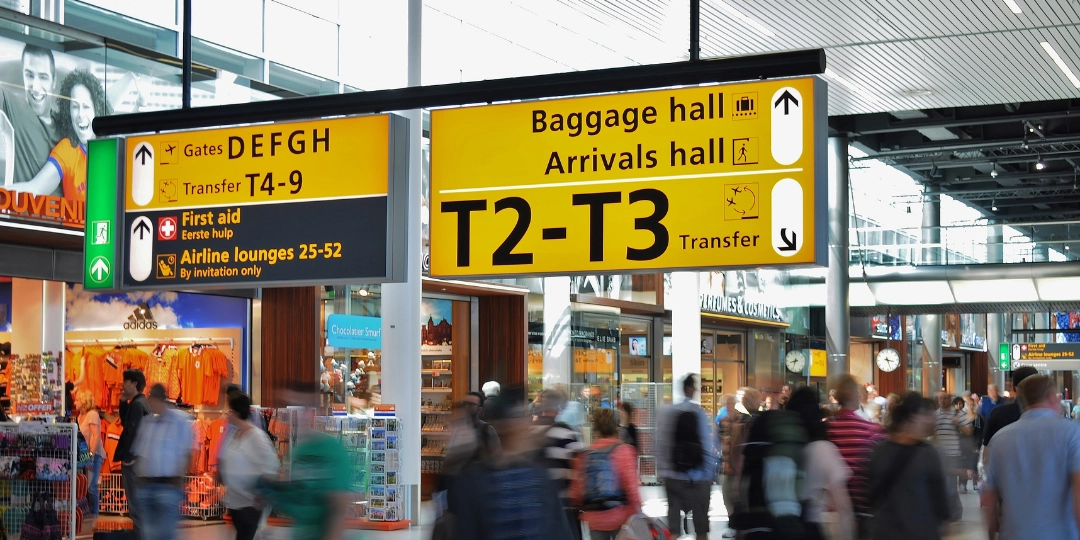
Airports have traditionally been viewed as places travellers need to get through before their vacations can begin. But that perception is changing.
Across the world, airports are investing in upgraded restaurants, lounges, shopping, entertainment and more comfortable passenger spaces, creating environments designed to offer more than simply a place to wait for a flight.
And travellers are already embracing the experience.
Send My Bag's 2026 survey found that 57.8% of U.S. travellers have intentionally arrived at an airport earlier than necessary to eat, shop, visit a lounge or otherwise enjoy the amenities. Another 59.5% have chosen one airport over another based at least partly on the airport experience.
In 2027, continued airport modernisation could accelerate this shift, encouraging travellers to spend more time exploring terminals before departure.
For airports, this creates opportunities beyond passenger satisfaction. Longer voluntary visits could translate into increased spending at restaurants and retailers, while providing brands and advertisers with more opportunities to engage travellers.
For passengers, the airport itself may increasingly become part of the experience they're looking forward to.
The vacation may no longer begin when the plane takes off. It could begin the moment travellers arrive at the terminal.
Looking Ahead: Travel in 2027 Will Be About Flexibility, Experience and Value
While the travel industry will continue to evolve in response to economic pressures, technology and global events, one thing is becoming clear: Travellers are rethinking what makes a trip worthwhile.
Some will prioritise affordability and flexibility, choosing destinations based on the overall cost of getting there. Others will seek more meaningful experiences, spend longer periods abroad or reconsider the traditional boundaries of when and where to travel.
Technology will continue to influence how trips are planned, while convenience and the ability to personalize an experience could become increasingly important.
For travellers, the key to navigating 2027 may be remaining flexible, looking beyond traditional travel habits and finding new ways to make every journey more rewarding.
Whether that means taking a longer trip, learning a new skill, exploring a less familiar destination or finding an easier way to transport belongings, the future of travel may be less about doing more and more about traveling in ways that work for you.
Our Most Popular Articles

Send My Bag Travel Trends Survey
Send My Bag recently surveyed 1,000 U.S. travellers to take a closer look at some of the behaviours shaping travel today. The findings reveal how travellers are navigating new technology, changing airline and baggage experiences, increasingly experiential airports and even the transition back home after a trip.

The Best Cities for Digital Nomads Staying 3 Months in Europe
Discover the best European cities for a three month digital nomad stay, from sunny Lisbon to laid back Ljubljana.

How to Avoid Lost Luggage at Major US Hubs
Simple tips to avoid lost luggage and enjoy smoother journeys through busy US airports.