The Best Cities for Digital Nomads Staying 3 Months in Europe
Wednesday, 7 Oct 2026
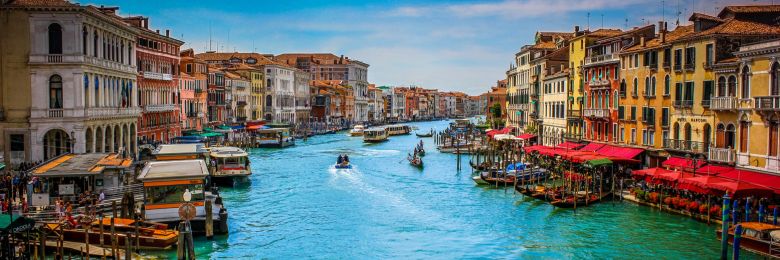
Three months is a great amount of time to experience a European city. You are staying long enough to find your favourite coffee shop, get to know the neighbourhood and settle into something resembling normal life, without quite making a permanent move.
For digital nomads, that changes what makes a destination appealing. Fast WiFi and somewhere to open a laptop are important, but so are affordable accommodation, good public transport, things to do at weekends and a lifestyle you will still enjoy after the first couple of weeks.
If you are considering spending a few months working remotely in Europe, these cities deserve a place on your shortlist.
Lisbon, Portugal
Lisbon has been one of Europe's best known digital nomad destinations for years, and there are plenty of reasons people continue to choose it.
The city combines warm weather, beaches within easy reach and a huge choice of cafés and coworking spaces. Public transport makes getting around relatively straightforward, while neighbourhoods such as Alfama, Príncipe Real and Estrela each offer a different experience.
A three month stay also gives you enough time to explore beyond Lisbon. Sintra and Cascais make easy day trips, while Porto and the Algarve can become longer weekend adventures.
Lisbon is no longer the bargain it once was, particularly when it comes to accommodation, so it is worth researching where you want to stay before committing to several months.
Best for: Sunshine, social life and weekend exploring.
Valencia, Spain
Barcelona usually gets more international attention, but Valencia could be the better choice if you actually want to settle somewhere for a few months.
You still get the Spanish sunshine, fantastic food and a long sandy beach, but the city feels more manageable than its larger neighbour.
Valencia is also easy to get around by bike, with plenty of green space running through the city. The Turia Gardens are particularly useful when you want a break from staring at a laptop.
There is a growing remote working community, plenty of cafés and a more relaxed pace that suits a longer stay.
Best for: Beach life and a more relaxed Spanish city experience.
Porto, Portugal
If Lisbon feels a little too busy, Porto offers another option in Portugal.
It is a smaller city, which means you can quickly become familiar with your surroundings. The historic centre, riverside neighbourhoods and abundance of restaurants give you plenty to explore without needing an itinerary every weekend.
Porto also makes a good base for discovering northern Portugal. The Douro Valley is within easy reach, while trains can take you to smaller towns and cities when you want a change of scenery.
The weather can be cooler and wetter than Lisbon, particularly outside summer, so consider the time of year when planning your stay.
Best for: A smaller city with plenty of character.
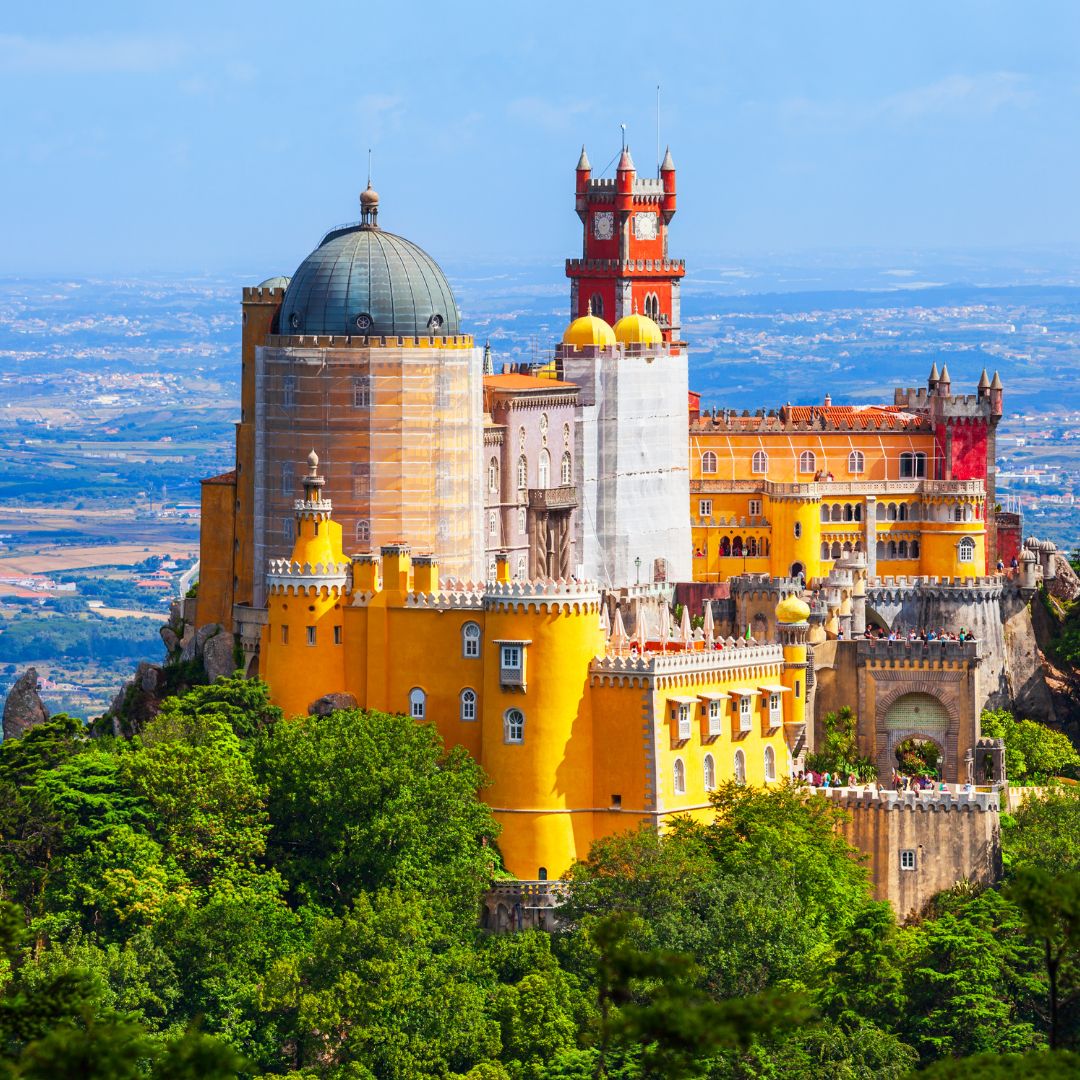
Budapest, Hungary
Budapest has long appealed to travellers who want a European capital without the costs associated with cities such as Paris or Amsterdam.
For a digital nomad staying several months, there is plenty to keep everyday life interesting. You have cafés, coworking spaces, markets, parks, nightlife and the city's famous thermal baths.
Public transport is extensive, so there is little need for a car. Budapest's central European location also makes it a useful base for weekend trips to places such as Vienna, Bratislava and other destinations across Europe.
Three months gives you time to enjoy the city beyond its main tourist areas and experience some of the quieter neighbourhoods too.
Best for: City life, nightlife and exploring Central Europe.
Tallinn, Estonia
Tallinn might not have the year round sunshine of Lisbon or Valencia, but it has built a strong reputation among remote workers.
Estonia has embraced digital services more than most countries, and Tallinn combines that modern approach with a beautiful historic centre.
The city is relatively compact, making everyday life easy to manage without spending hours travelling around. There are plenty of places to work, a growing international community and easy access to nature when you want to escape the city.
Winter can be cold and dark, so Tallinn will appeal to a very different type of digital nomad depending on when you visit.
Best for: Digital infrastructure and a compact city lifestyle.
Split, Croatia
Working remotely does not have to mean spending every day in a major capital.
Split gives you the chance to base yourself on Croatia's Adriatic coast, with the historic old town on your doorstep and islands waiting just offshore.
A longer stay is particularly appealing outside the busiest summer months. You can experience the city at a slower pace while still having restaurants, cafés and plenty of outdoor activities nearby.
Weekend trips are easy to arrange, whether you want to explore other parts of Croatia or catch a ferry to one of the islands.
Best for: Coastal living and outdoor adventures.
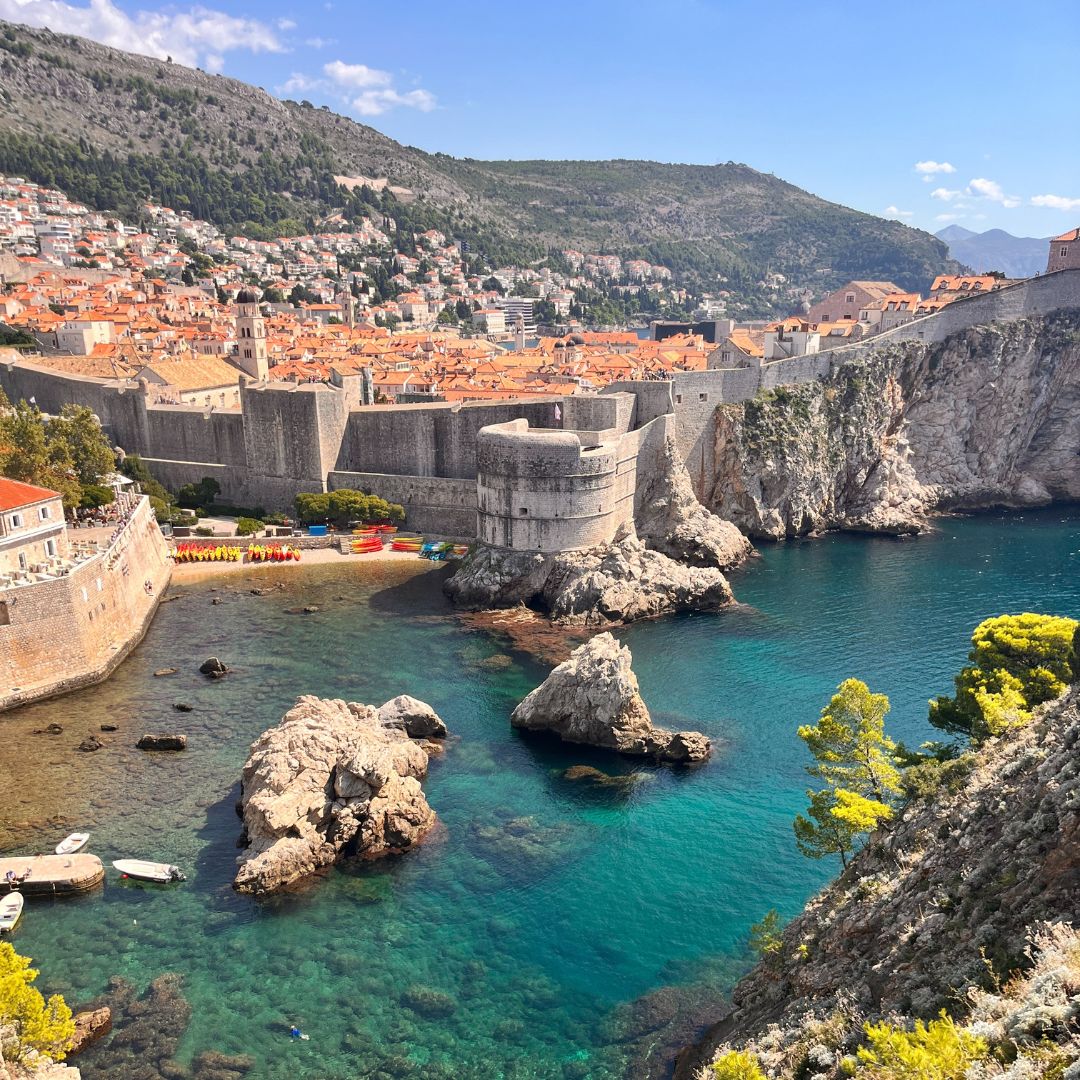
Prague, Czech Republic
Prague is beautiful enough for a weekend break, but staying for three months lets you see a completely different side of the city.
Away from the busiest tourist areas, there are neighbourhoods filled with independent cafés, parks and local restaurants. Public transport is excellent, which makes it easy to live slightly further from the centre if you prefer somewhere quieter.
Its location is another advantage. Germany, Austria, Poland and Slovakia are all within relatively easy reach, making Prague a strong base if you want to explore more of Europe while working remotely.
Best for: Culture, transport and European weekend trips.
Athens, Greece
Athens offers something slightly different from the polished remote working hubs found elsewhere in Europe.
It is busy, energetic and full of history, but it also gives you access to a lifestyle that can be difficult to replicate further north.
A three month stay means you can explore the city's neighbourhoods at your own pace rather than trying to squeeze the Acropolis and everything else into a long weekend. When work finishes, you have restaurants, rooftop bars and a coastline within reach.
You can also use weekends to explore the Greek islands or other parts of the mainland.
Summers can be extremely hot, so spring and autumn may be more comfortable for anyone planning to work and live in the city for several months.
Best for: History, food and warmer weather.
Ljubljana, Slovenia
Ljubljana is one of the smallest cities on this list, but that is part of its appeal.
The Slovenian capital is easy to navigate, relaxed and surrounded by some spectacular countryside. You can finish work and be walking beside the river within minutes, while weekends open up opportunities to visit Lake Bled, the Julian Alps and other parts of Slovenia.
It is particularly suited to digital nomads who want access to nature without giving up the convenience of living in a capital city.
Best for: Nature, slower living and outdoor weekends.
What Should You Look for When Choosing a City?
A destination can look perfect during a four day holiday and feel completely different when you are living there for three months.
Start with the practical things. Look at accommodation costs, internet availability, public transport and how easy it will be to work from your apartment or nearby coworking spaces.
Think about what you want outside work too. If you love hiking, somewhere like Ljubljana could suit you better than a major capital. If beaches are important, Valencia or Split may make more sense.
The time of year matters as well. Southern European cities can become extremely hot during summer, while destinations further north can have much shorter and darker days during winter.
Most importantly, research the entry and visa requirements that apply to your nationality and circumstances before making any long term bookings.
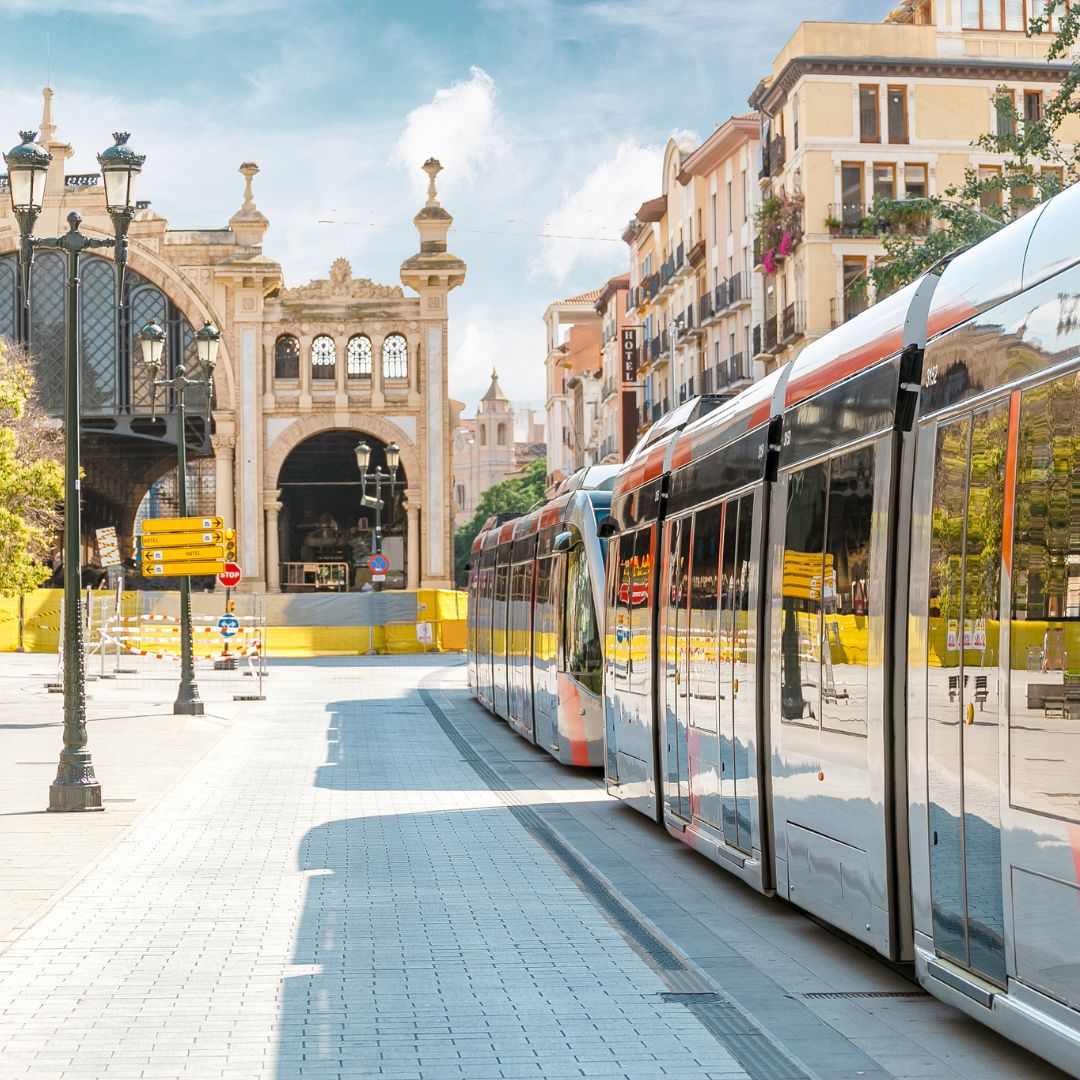
Packing for Three Months in Europe
Packing for three months is very different from packing for a week away.
You need enough clothing to live normally without trying to take everything you own. Consider the climate carefully, especially if your stay crosses two seasons.
Your laptop, chargers, adapters and anything essential for work should stay with you during the journey. Clothing, shoes and other belongings can take up considerably more room.
If you are taking more than your airline's baggage allowance, it may be worth comparing the cost and convenience of extra airline baggage with sending luggage separately to your destination.
Three months is long enough to want some home comforts, but short enough that bringing furniture and half your possessions probably does not make much sense.
Make the Most of Staying Longer
The best part of spending three months somewhere is that you do not have to treat every day like a holiday.
You can work during the week, find your regular places and explore when you have time. There is no pressure to see every attraction during your first weekend because you know there will be another one.
Lisbon might suit someone looking for sunshine and a large international community, while Ljubljana offers something quieter and closer to nature. Budapest and Prague make excellent bases for exploring Central Europe, while Valencia and Split put the coast within easy reach.
Choose somewhere that fits the way you actually want to live, not simply the city that looks best in photographs. Three months gives you enough time to discover what living somewhere new really feels like.