Over Tourism Hotspots Around the World and the Travel Behaviours Putting Pressure on Locals
Thursday, 29 Jan 2026
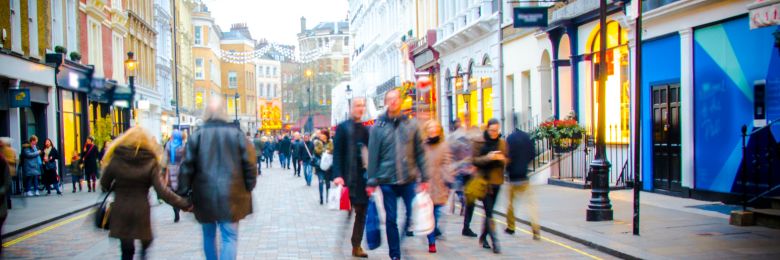
International travel continues to grow at pace. Flight capacity is rising, passenger demand is increasing year on year, and destinations that were once considered seasonal hotspots are now busy almost year round. According to UN Tourism, international tourist arrivals reached approximately 1.3 billion globally in 2024, underlining how firmly travel is embedded in everyday life.
While tourism brings clear economic benefits, the rapid growth in visitor numbers has intensified conversations around tourism. In many of the world’s most popular destinations, local communities are increasingly feeling the strain as infrastructure, housing and public spaces struggle to keep up with demand.
The issue is less about tourists themselves and more about how modern travel operates, how people move through destinations, and how concentrated visitor flows affect daily life.
Over tourism is no longer limited to a handful of destinations
Over tourism was once associated with a small number of well known cities. Today, it affects historic centres, coastal towns, island destinations and cultural landmarks across Europe, Asia and beyond.
In Dubrovnik, visitor numbers have grown to the point where local authorities have introduced daily limits on cruise arrivals. The city now aims to restrict cruise visitors to around 4,000 per day after peak days previously saw more than 10,000 people entering the Old Town within a few hours. UNESCO has repeatedly warned that unmanaged visitor growth could threaten the preservation of the historic city centre.
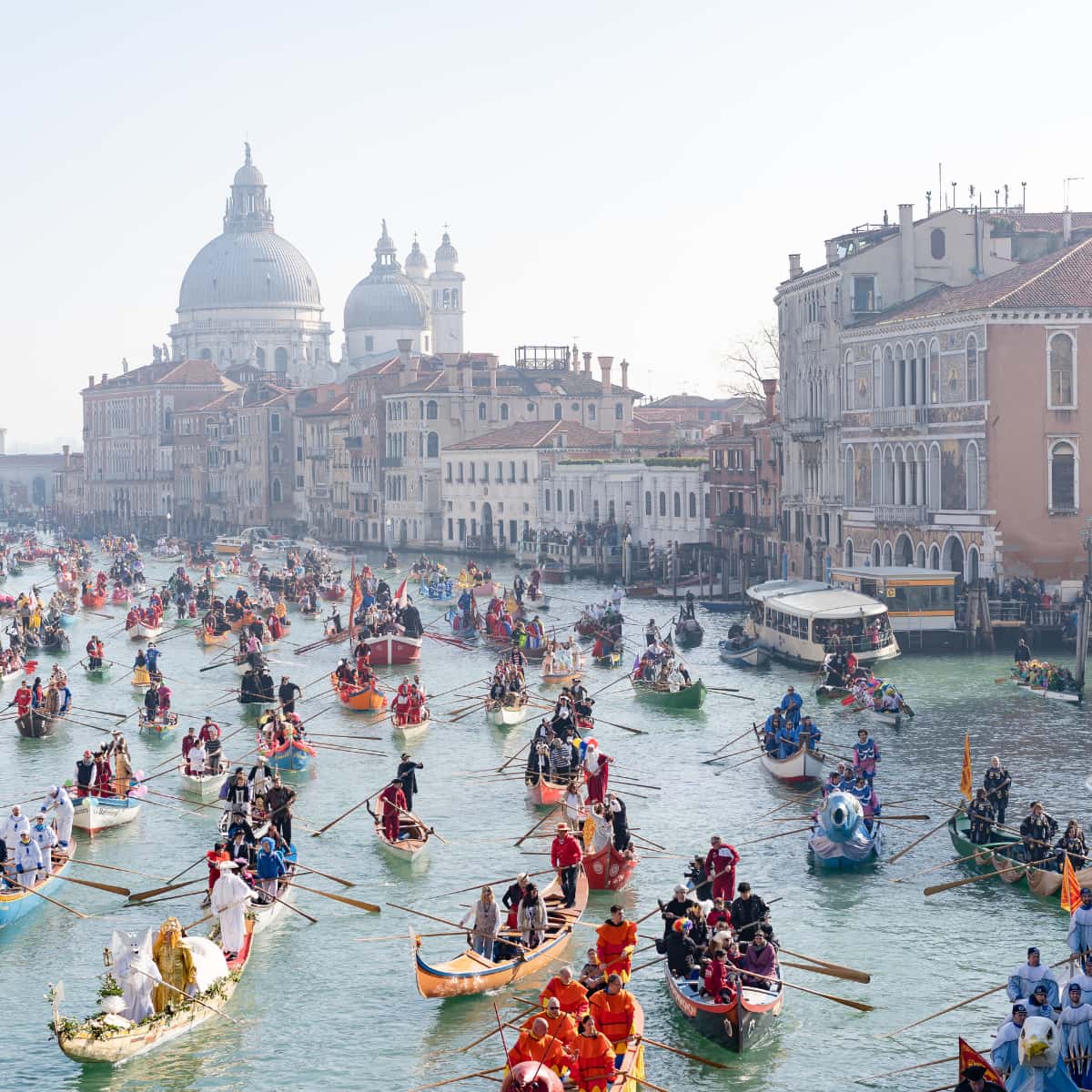
Venice remains one of the most frequently cited examples of over tourism. The city attracts around 20 million visitors each year despite having a resident population of just over 50,000 in its historic centre. Measures including a visitor access fee for day trippers and restrictions on large cruise ships have been introduced in an effort to reduce congestion and protect fragile infrastructure.
Amsterdam has also taken steps to manage visitor numbers. The city welcomes more than 20 million overnight visitors annually and has limited new hotel development while actively encouraging travellers to avoid already overcrowded neighbourhoods.
Island destinations are facing similar challenges. In Santorini, local authorities have raised concerns around traffic congestion, water usage and waste management as visitor numbers surge during peak periods. On particularly busy days, more than 15,000 cruise passengers can arrive on an island with limited infrastructure and narrow transport networks.
Travel behaviours causing the most frustration
A European Travel Commission study found that residents in high traffic destinations most frequently raised concerns about overcrowded public spaces, disruption caused by short stay visitors, disrespectful behaviour at cultural sites, and noise from rolling suitcases through historic streets.
In cities with narrow pavements and pedestrian zones, luggage congestion has become an increasingly visible issue. Social media footage from destinations such as Florence, Lisbon and Dubrovnik regularly shows pavements blocked by large suitcases during peak arrival and departure times. Local residents have highlighted how this affects accessibility, safety and everyday movement.
Short term rentals have also contributed to tension in many popular destinations. Local authorities and residents have raised concerns about housing availability, rising rents and neighbourhood disruption as properties are increasingly used for tourist accommodation rather than long term housing.
Travel demand continues to rise, but habits are shifting
Despite these challenges, demand for travel shows no sign of slowing. The International Air Transport Association forecasts that global passenger numbers will exceed 5 billion annually within the next few years, driven by affordable air travel, remote working and long stay travel trends.
However, travellers are becoming more conscious of how their trips impact destinations. There is growing interest in travelling outside peak periods, staying longer in one place and finding ways to move through cities more efficiently.
A recent survey of 1,000 international travellers conducted by Send My Bag found:
41% said overcrowding now influences their choice of destination
36% said they actively try to avoid peak arrival times
29% said managing luggage in busy cities adds stress to their trip
22% said they would consider shipping luggage separately to reduce congestion and hassle
Rather than avoiding popular destinations altogether, many travellers are adjusting how they travel in order to improve their experience and reduce friction.
How luggage fits into the over tourism conversation
One often overlooked factor in the pressure faced by busy destinations is how travellers move through them. Historic cities, island towns and pedestrianised centres were not designed for constant arrivals, short stays and large volumes of luggage moving through narrow streets and public spaces.
Darren Johnston from Send My Bag commented:
“Over tourism is not just about visitor numbers. It is about how people move through destinations. Historic cities were never designed for constant arrivals, short stays and large volumes of rolling luggage. As travel becomes more frequent and less seasonal, these pressure points become far more visible.”
He continued:
“We are seeing more travellers rethink how they travel, not because they want to avoid popular destinations, but because they want a smoother experience and to be more considerate. Shipping luggage ahead allows people to move more freely, arrive earlier, leave later and reduce some of the visible congestion that comes with high footfall areas.”
Send My Bag has seen growing demand from travellers visiting busy European cities, island destinations and long stay rentals. Customers include families, students, digital nomads and slow travellers who prefer to separate their luggage from their flight and move through destinations more easily.
A shift towards smarter tourism
Many destinations are now actively encouraging changes in visitor behaviour. Entry caps, tourist taxes, timed access to attractions and restrictions on short term rentals are increasingly being used to protect local communities and heritage sites.
At the same time, travellers are becoming more aware of their impact. Choosing longer stays, travelling during shoulder seasons and simplifying arrival and departure days are becoming part of a broader shift towards more sustainable tourism.
As global travel continues to grow, the focus is moving away from blaming visitors and towards improving planning, infrastructure and travel habits.
For travellers, the question is no longer just where to go, but how to travel better.